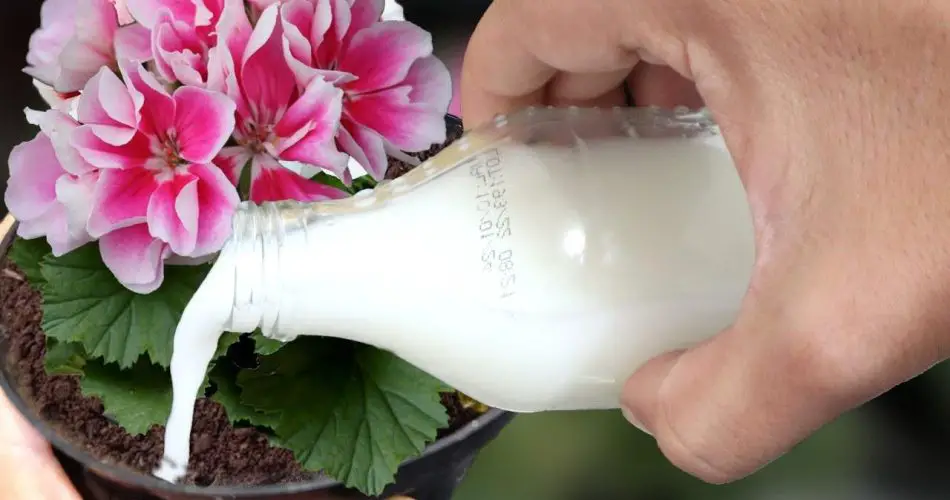
To foster the rapid and luxurious growth of any plant, a specific type of water application is crucial.
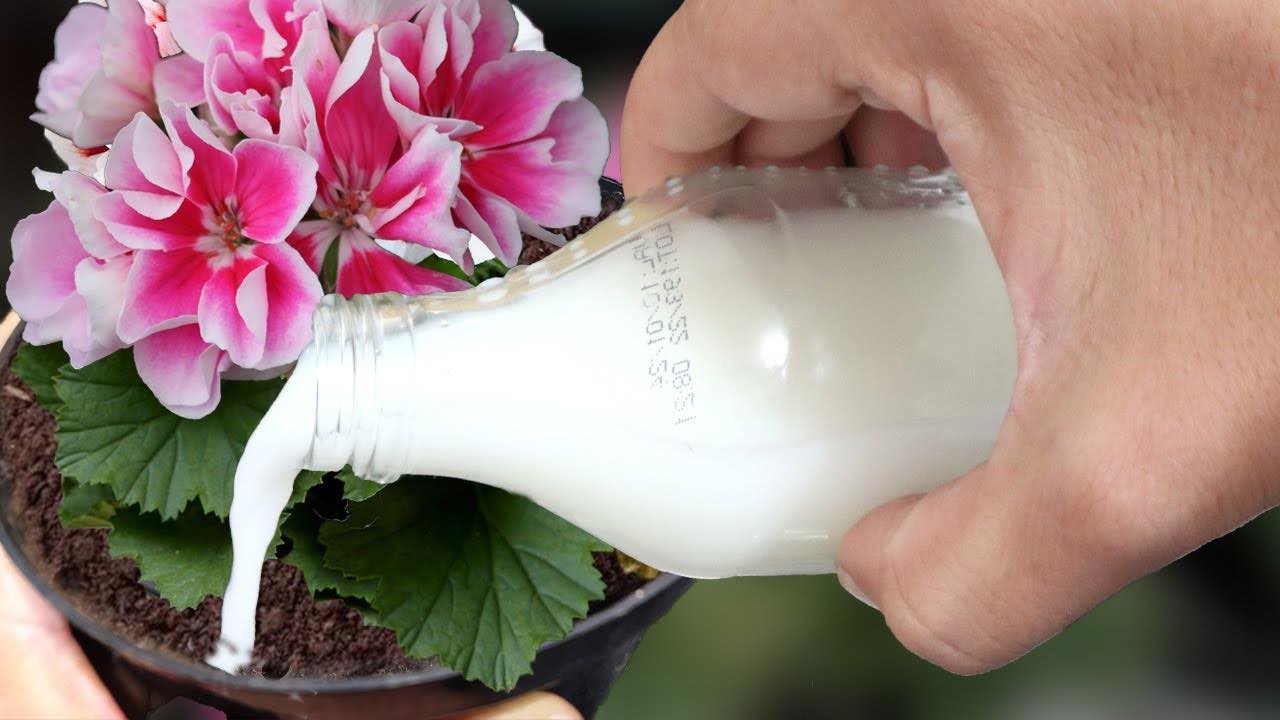
While some plants flourish under direct sunlight, others prefer more shaded environments. The role of irrigation is fundamental in the growth of every plant. Regular and abundant watering is essential, particularly during the hottest months of the year, to counteract drought and intense heat. The soil must also exhibit excellent drainage to prevent water stagnation, a potential threat to the roots of all plants and trees.
In certain cases, adding a specific ingredient to the water can enhance plant growth. Let’s explore which element, when correctly added to water, can ensure rich blooms for any plant in your garden. Here’s a comprehensive guide on this topic.
Stimulating Flourishing with Special Water Application
Enhancing the growth and flowering of plants requires applying the right soil and ensuring appropriate fertilization. Plants need specific nutritional elements, including calcium, potassium, iron, magnesium, vitamins, and other mineral salts, for healthy, robust, and luxurious development.
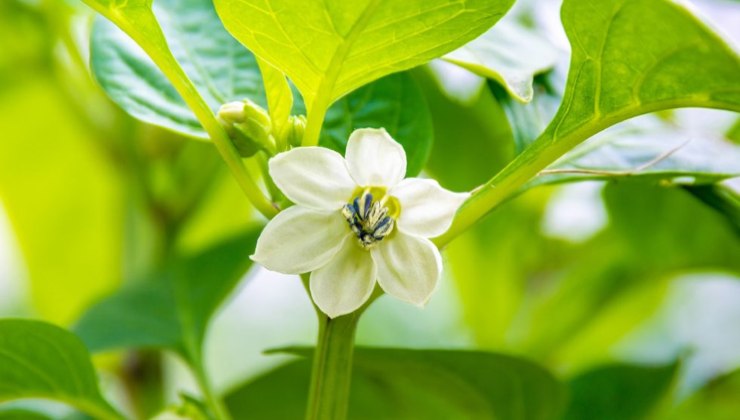
The right fertilizer and ample watering serve as essential recommendations for achieving optimal flowering in plants. In this article, we’ll delve into the remarkable properties of an apparently unconventional ingredient for gardening: milk.
Even a small quantity of milk proves sufficient to guarantee remarkable fertility and abundant flowering for your plants. Additionally, milk acts as a deterrent to dangerous parasites and insects threatening plant health.
To utilize milk effectively, it must be mixed in the correct doses with water, creating a “special” type of water ideal as a completely natural organic fertilizer for your plants. This organic fertilizer enhances flowering and growth, naturally reactivating the substrate. Let’s explore how to create this particular type of water for irrigating your plants.
Milk Mixed with Water: The Ultimate Organic Fertilizer
Milk contains numerous mineral salts and vitamins, precious elements for the soil in which your plants grow and proliferate. These elements include calcium, phosphorus, potassium, and nitrogen, ensuring guaranteed and prolonged flowering. Begin by adding approximately 10 milliliters of milk to a container, followed by 500 milliliters of water.
Thoroughly mix this compound and then apply it to the soil of all plants approximately once every 30 days. This regimen ensures consistently healthy roots and prompts all plants to flower quickly and securely.
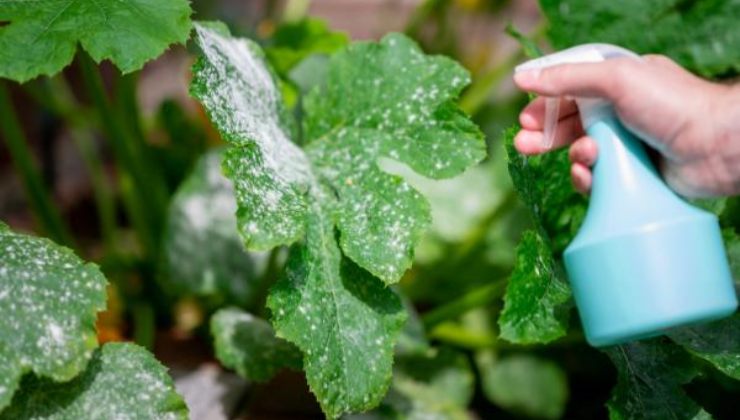
Yet, milk’s utility extends beyond fertilization. When combined in the same previous doses with water, it becomes an effective mixture suitable for use in a spray container. You can directly spray this water-milk mix on the leaves of all your plants.
Milk serves as a natural fungicide, keeping fungi and mold at bay. Moreover, it acts as an excellent natural insecticide, deterring dangerous mites, aphids, and similar pests. The milk’s sugar content proves toxic to these pest insects, making it an environmentally friendly solution for plant protection.


