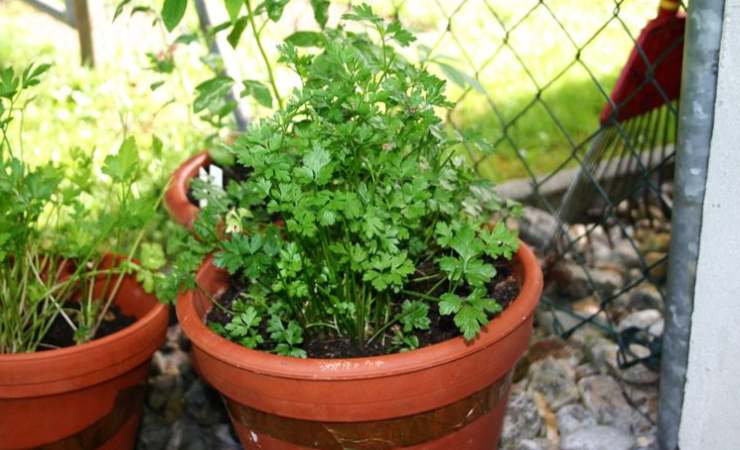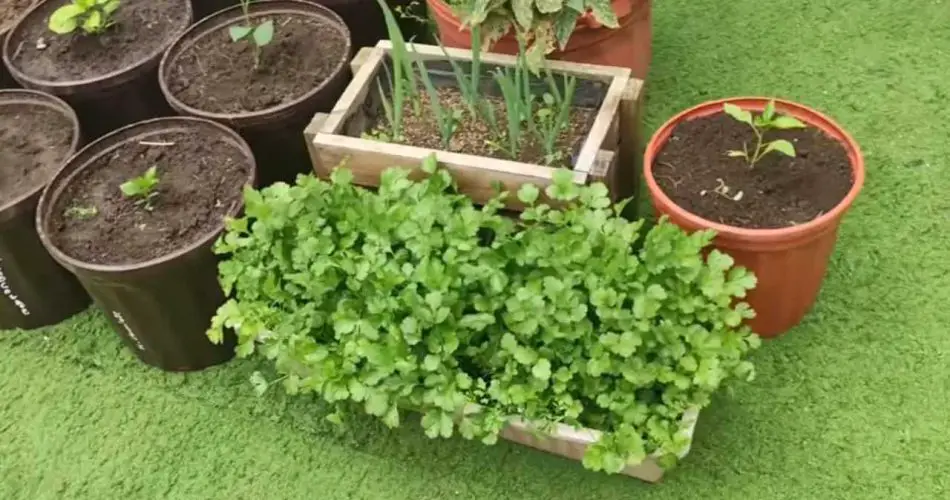
Are you intrigued by the prospect of cultivating parsley effortlessly and securely at home? Discover the optimal approach to yield an abundant harvest of this versatile herb.
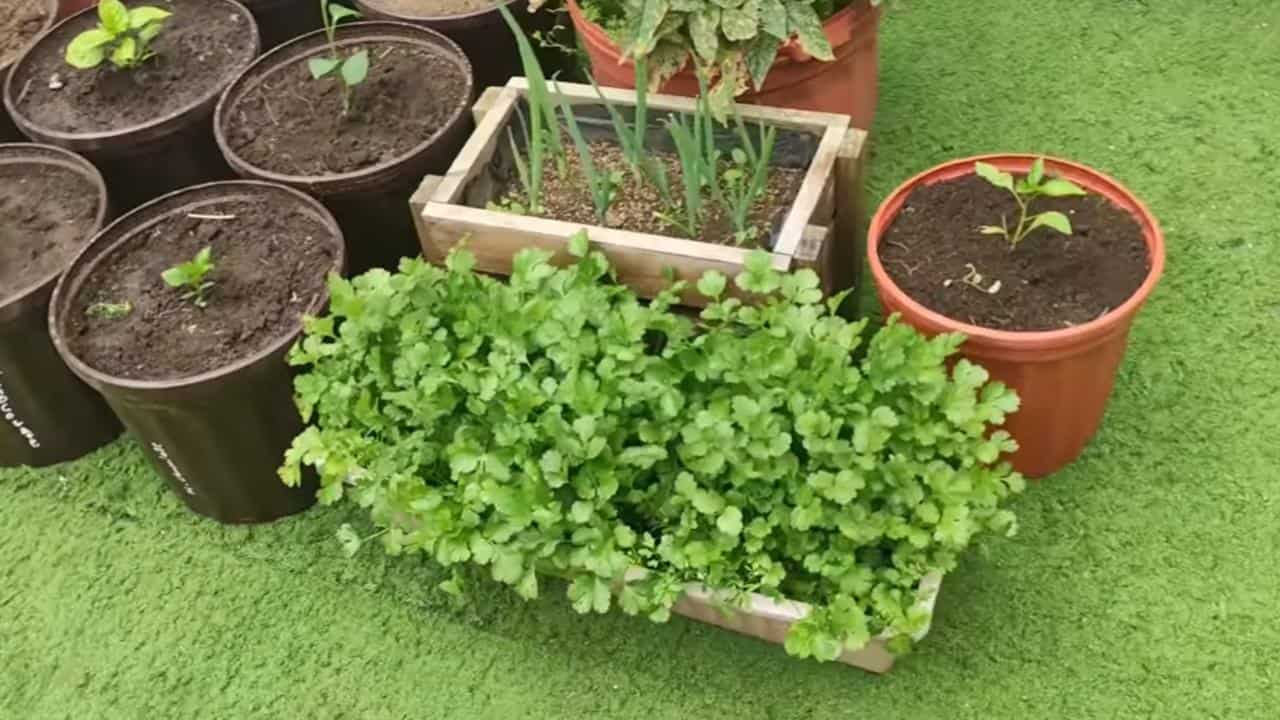
Parsley, a widely used aromatic herb in kitchens, enhances the flavor of countless dishes, including first courses, second courses, appetizers, and side dishes. Commonly minced into fine pieces, it contributes to crafting flavorful sautéed vegetables and serves as a key ingredient in sauces for fish or meat-based recipes. Its versatility makes parsley a valuable addition to many culinary creations.
Growing parsley at home is a straightforward process, making it suitable for pots on balconies, terraces, or gardens. However, the choice of a sufficiently deep container is crucial, considering parsley’s extensive root system. The pot’s capacity and depth play a pivotal role in successful cultivation.
This article unveils the best method for cultivating parsley directly at home, providing insights into the steps necessary for a consistently rich and bountiful parsley harvest.
A Plentiful Parsley Harvest: Optimal Cultivation Method
Initiating a successful parsley cultivation journey begins with acquiring a reasonably large pot. As parsley roots require ample space, pots made of terracotta, stone, or plastic are suitable choices. While any material may suffice, plastic pots, with added drainage holes, prove advantageous in preventing water stagnation around the roots. Drilling small holes beneath the plastic pot is the initial step before commencing parsley cultivation.
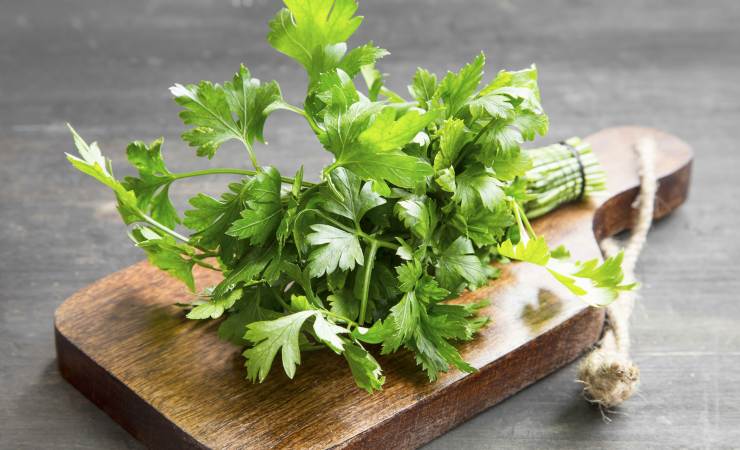
Subsequent to selecting an appropriate pot, the next step involves filling it with the right soil. For sowing, a well-fertilized soil with a pH between 6 and 8 is ideal. The soil should be sandy and possess efficient water-draining capabilities. Vermicompost, derived from earthworm humus, serves as an excellent fertilizer for parsley. Alternatively, various market-available fertilizers cater to the needs of this aromatic plant. After filling the pot with an ample amount of soil, disperse seeds—readily available at gardening shops—randomly across the pot. A couple of handfuls of seeds suffice for promoting lush parsley growth.
Once seeds are scattered, cover them with at least an additional inch of soil. Now, let’s delve into the optimal conditions for nurturing your parsley plant to its full potential.
Parsley Cultivation: Tips for Abundant Harvest
Parsley thrives when exposed to direct sunlight, necessitating at least 5 to 6 hours of sunlight each day. Optimal placement involves a slightly shaded area on your balcony or garden. During particularly hot days, however, it is advisable to shield the seedling from direct sun exposure while keeping it in well-lit conditions.