Orchid Nourishment Unveiled: The Expert’s Secret Revealed

Unlock the Secret to Orchid Nutrition: A Gift from Expert Nurserymen
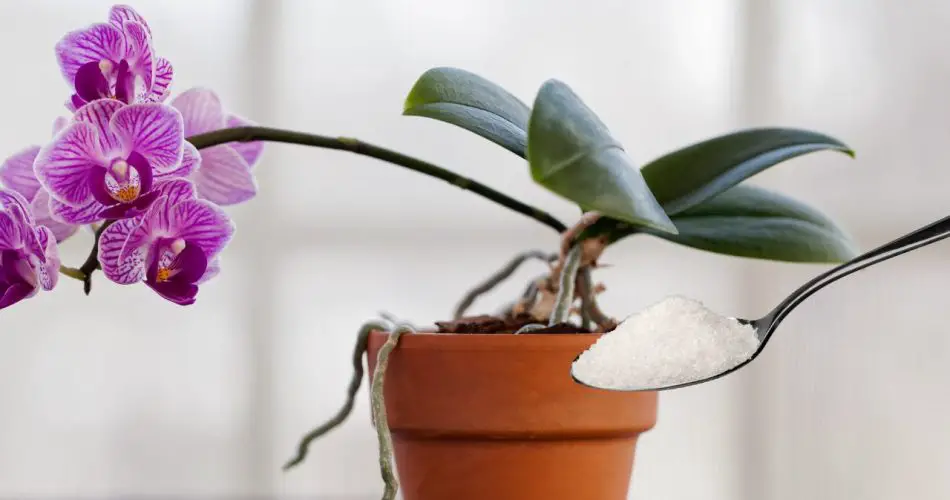
An orchid, with its breathtaking beauty and elegance, demands meticulous care and continuous attention. Cultivating this delicate plant requires more than just aesthetics—it requires expertise. Finding the perfect spot, preferably a humid and sunny location like a bathroom or laundry room, is crucial. Orchids thrive on hydration, but excessive watering can lead to root rot. A challenging yet enchanting plant, orchids captivate enthusiasts worldwide. Expert nurserymen have long relied on a concealed ingredient to nourish orchids, a secret now unveiled for all home gardeners.
The Classified Ingredient for Orchid Nourishment and Luxuriant Growth
Ensuring the health and vibrancy of orchids at home often seems like a task reserved for industry experts. However, achieving grace and robust flowering in domestic settings is indeed possible. Orchids, like any plant, require essential nutrients, and the beauty lies in sourcing these from common household items. In this unique case, we delve into the realm of non-waste solutions, utilizing an ingredient typically discarded.
The Ingredients:
- Rice cooking water (1 liter)
- Monosodium glutamate (2/3 grams)
- Spray bottle
- Basin
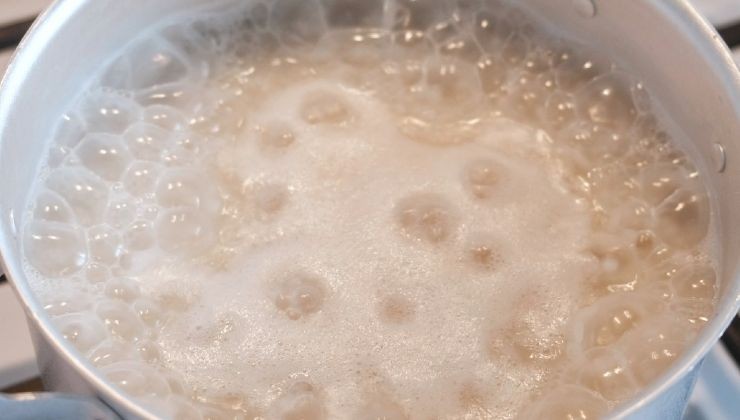
The process is surprisingly straightforward. Take a basin, pour in the rice cooking water, and add the monosodium glutamate. Thoroughly mix the ingredients, achieving a harmonious blend. Subsequently, moisten the orchid’s soil with this magical solution and transfer the liquid into a spray bottle for even application on leaves and stems.
Unlocking the Properties of Rice Water:
Rice cooking water emerges as a precious elixir for all plants, with a particular affinity for orchids. Employing this mixture as a watering solution, ensuring leaves and stems are adequately moistened, proves to be a rejuvenating ritual. It’s advised to follow this regimen once every two weeks, allowing the plant to absorb the necessary nutrients without overindulgence. This becomes especially crucial if the orchid is not in a dormant state.
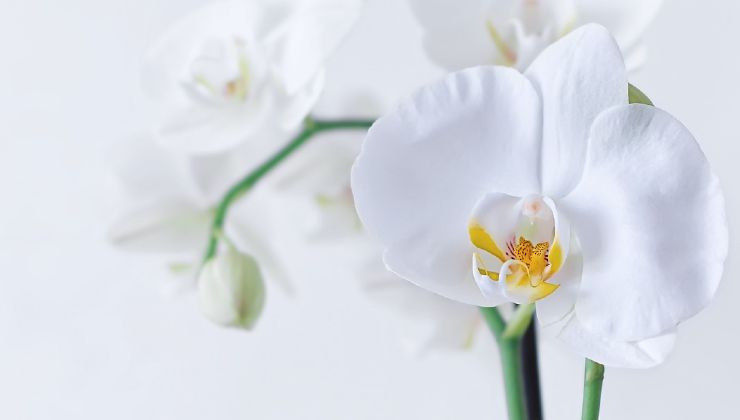
Certain conditions must be observed for optimal results. Firstly, the rice cooking water should not be salty; if it was salted during rice preparation, it must be avoided to prevent any compromise to the orchid’s growth and well-being. Equally crucial is ensuring that the cooking water has completely cooled. The use of hot or boiling water could prove detrimental, potentially causing irreparable harm to the plant.
This method, when employed with precision, unfolds as a nutrient-rich solution for orchids—an approach embraced by industry experts for its efficacy and benefits. Gardening enthusiasts, armed with this newfound knowledge, can now enrich the lives of their orchids in harmony with the practices of seasoned nurserymen.