Rescuing Rotten Basil: A Gardener’s Secret Revealed

Discover the foolproof trick to revive basil that has unfortunately succumbed to rot. Uncover the simplicity of this technique, widely employed by seasoned growers.
The Wonders of Basil
A few basil leaves grace nearly every kitchen, proving to be a fundamental herb in Italian gastronomy with global popularity. Its robust and distinctive flavor adds character to countless recipes, making it an indispensable culinary companion. Beyond its culinary prowess, basil boasts essential properties contributing to overall well-being. Its anti-inflammatory characteristics aid in pain reduction and inflammation across the body. Additionally, it possesses antioxidant attributes that shield cells from free radicals and oxidative stress, reducing the risk of ailments such as heart disease, cancer, and diabetes.
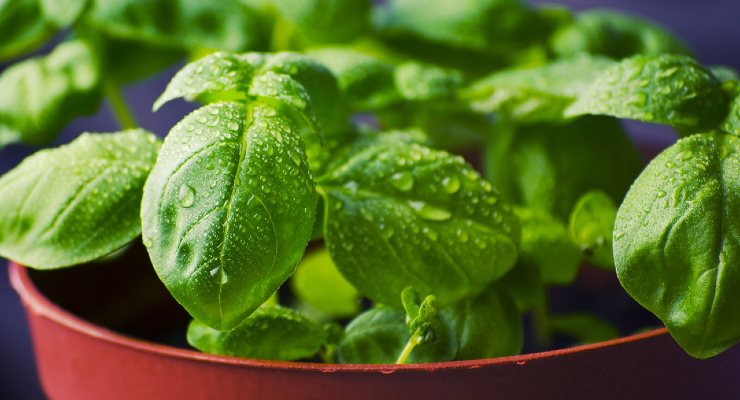
The herb’s antimicrobial properties actively combat the growth of microorganisms like bacteria, viruses, and fungi, making it effective against localized infections in respiratory and urinary systems. Basil further extends its utility with digestive properties, alleviating stomach pain, and its relaxing nature provides relief from stress and anxiety.
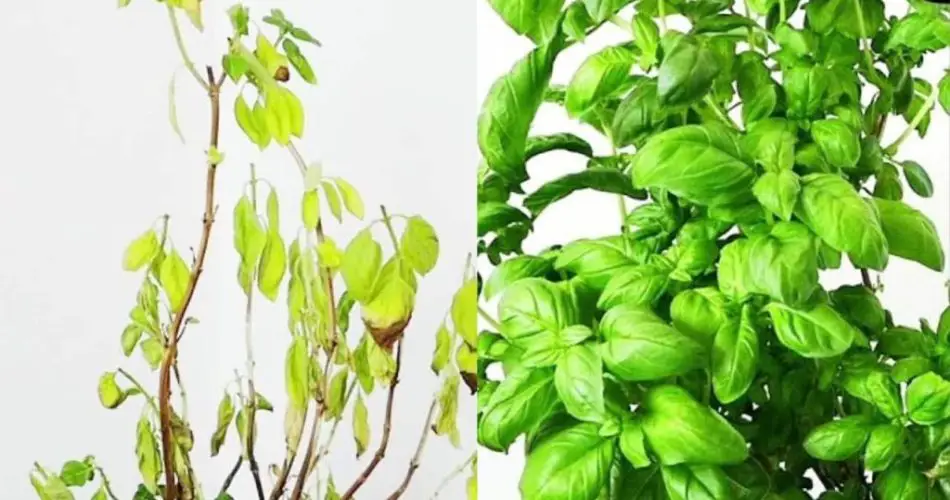
However, cultivating basil can pose challenges, and the herb is susceptible to rot. Understanding how to revive rotten basil is crucial, and we’ll guide you through the process.
Reviving Rotten Basil: A Gardener’s Know-How
Ensuring the vitality of basil and preventing rot involves key considerations, starting with the health of the soil. Basil thrives in well-drained, nutrient-rich soil. Enrich the soil by incorporating compost or vermicompost to foster healthier growth. Alternatively, opt for a liquid organic fertilizer applied every two weeks.
Balancing nitrogen levels is critical, as basil is highly sensitive to excess nitrogen, which may lead to fungal diseases and parasite proliferation. Exercise caution with watering and fertilizer application to prevent nitrogen overload.
Basil, especially in hot, dry climates, demands consistent watering. Daily watering is recommended, and the soil’s hydration levels should guide this practice. When the soil feels moist but not waterlogged, it’s time to cease watering.
Rotten basil is a consequence of excessive watering, emphasizing the importance of well-draining pots with adequate drainage holes. Avoid watering the leaves directly; instead, focus on cleaning them. This approach minimizes the risk of fungal diseases. By implementing these guidelines, you’ll enhance the health of your basil plants and bid farewell to the woes of rot.