Unlocking Nature’s Essence: Fast and Effective Essential Oil Extraction
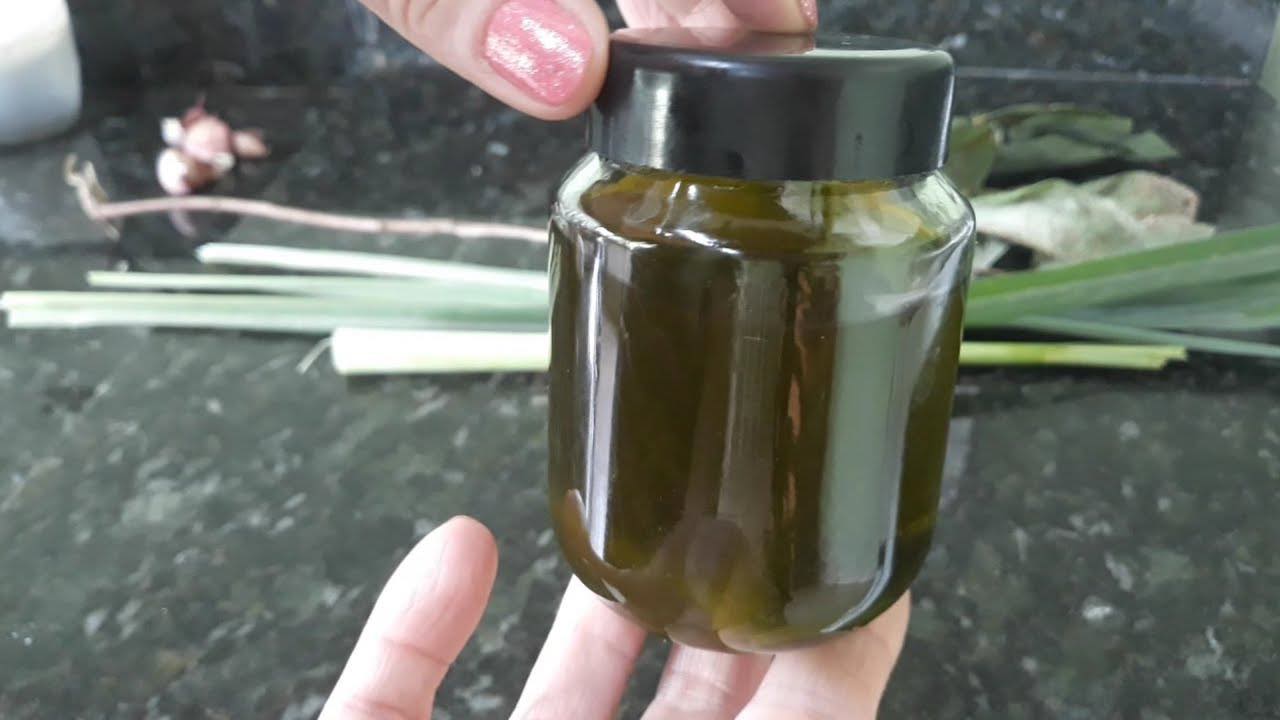
Exploring the realm of essential oils reveals a fascinating journey through time, where these aromatic compounds have been revered and utilized since ancient civilizations. Despite facing periods of obscurity, notably during the rise of synthetic compounds, the 1990s witnessed a resurgence of interest in essential oils. Aromatherapy emerged as a powerful tool for healing and relaxation, harnessing the benefits of these plant-derived treasures to enhance physical, emotional, and mental well-being.
The process of extracting essential oils from fragrant plants unveils a captivating journey that can be demystified and practiced effortlessly at home. This article delves into a specific method, leveraging a 12 L distiller, a gas or electric stove, water, and scented plants such as mint, lavender, thyme, rosemary, savory, and sage—each boasting a rich concentration of essential oils.
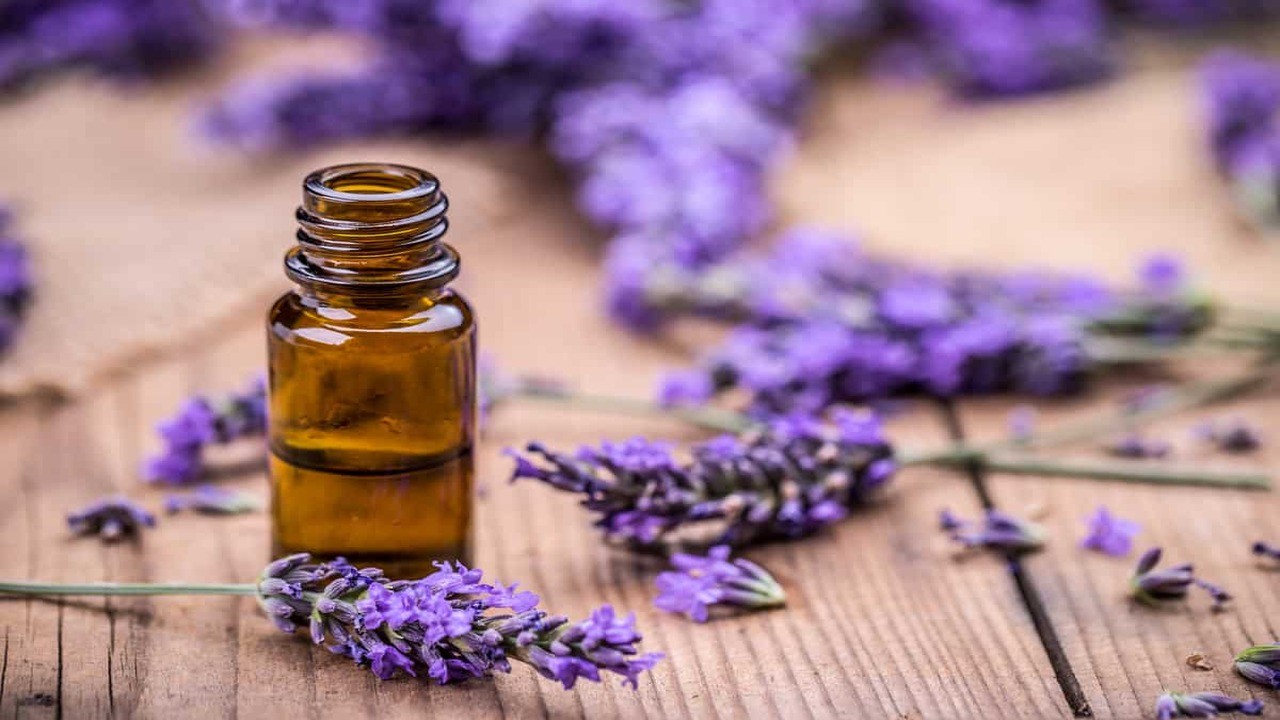
Essential Oil Extraction Through Steam Distillation
At the heart of essential oil extraction lies steam distillation, a technique that exploits the power of steam to separate substances with different boiling points. This method stands as the reference for obtaining essential oils, relying on the steam generated by boiling water. The vapor passes through plant matter in a still, carrying aromatic molecules from the plant cells. Thanks to their light and volatile nature, these molecules easily vaporize. As the water vapor and volatile molecules flow through a condenser, they return to a liquid state.
Essential oils, with their lower density than water, naturally rise to the top, forming micro droplets that infuse the aromatic water, also known as hydrosol. The separation of these two fluids is facilitated by a separating funnel due to their immiscibility. The distillation process yields pure essential oil and valuable aromatic water, a versatile by-product with various applications, from iron water to facial toner and potent plant antiseptic.
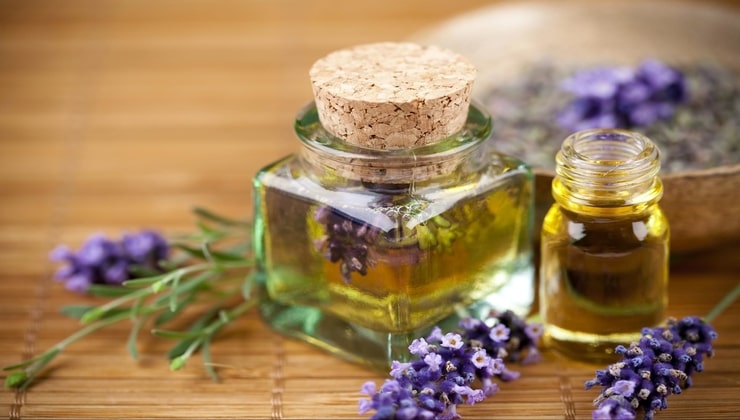
While freshly distilled essential oils may lack immediate fragrance, patience is rewarded during a maturation period lasting several weeks. Allowing the oil to rest is essential for it to reach its ideal aroma.
Caring for Essential Oils: Storage and Usage Tips
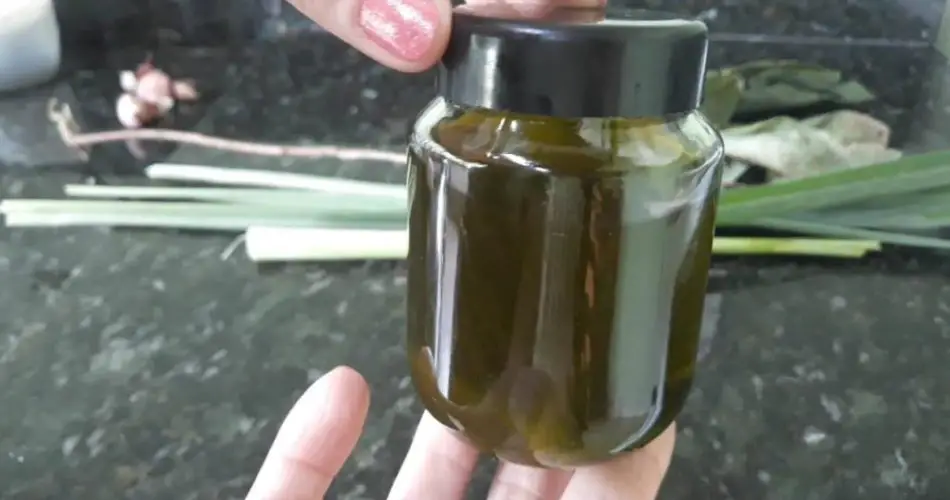
Essential oils, delicate in nature, demand careful handling to prevent rancidity and deterioration, preserving their natural fragrance. Storing them in dark glass containers shields them from direct exposure to light and heat, maintaining their integrity.
Caution is paramount, given the concentrated and active molecules in essential oils, some of which may have toxic effects. Utilizing them sparingly, in drops, and seeking expert advice ensures their safe and effective use. By embracing these insights, one can unlock the full potential of essential oils and embark on a journey of aromatic well-being.