Unlocking the Household Potential of Orange Peels and Vinegar
Discovering the Hidden Uses of Orange Peels
As we approach the winter season, the consumption of seasonal fruits becomes a common practice, and among these, citrus fruits, particularly oranges, take the spotlight. These fruits, synonymous with colder months, play a vital role in fortifying our immune system—a crucial defense against the challenges posed by frost and low temperatures. Often sought after for their rich vitamin C content, oranges are consumed directly or transformed into refreshing juices, providing a much-needed energy boost and relief from seasonal ailments.
While the vibrant fruit is typically enjoyed for its juicy pulp, the peel, often discarded without a second thought, holds untapped potential for household applications.
Beyond the winter season, orange peels, along with their mandarin counterparts, find creative uses in holiday decorations and festive crafts, adding a touch of citrus-inspired charm to the Christmas period. However, a lesser-known and innovative utilization involves pairing these discarded peels with a surprising ally—vinegar.

Harnessing the Power of Orange Peels and Vinegar
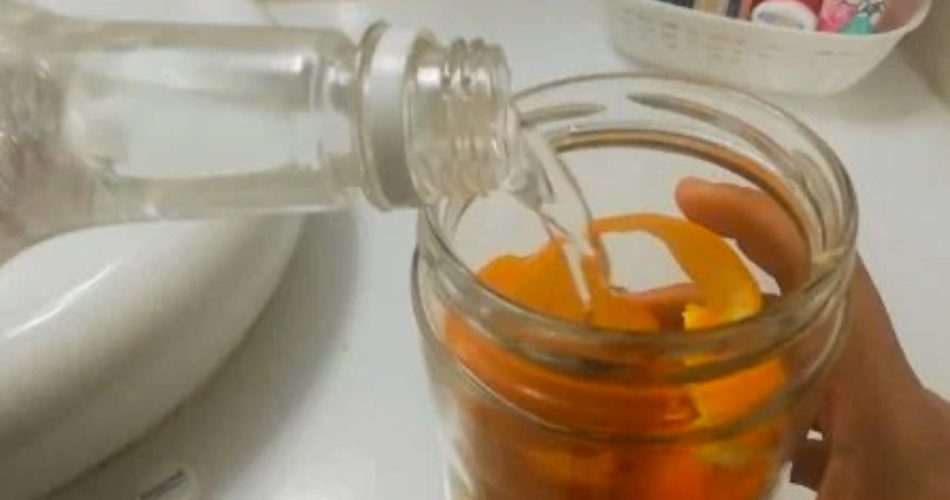
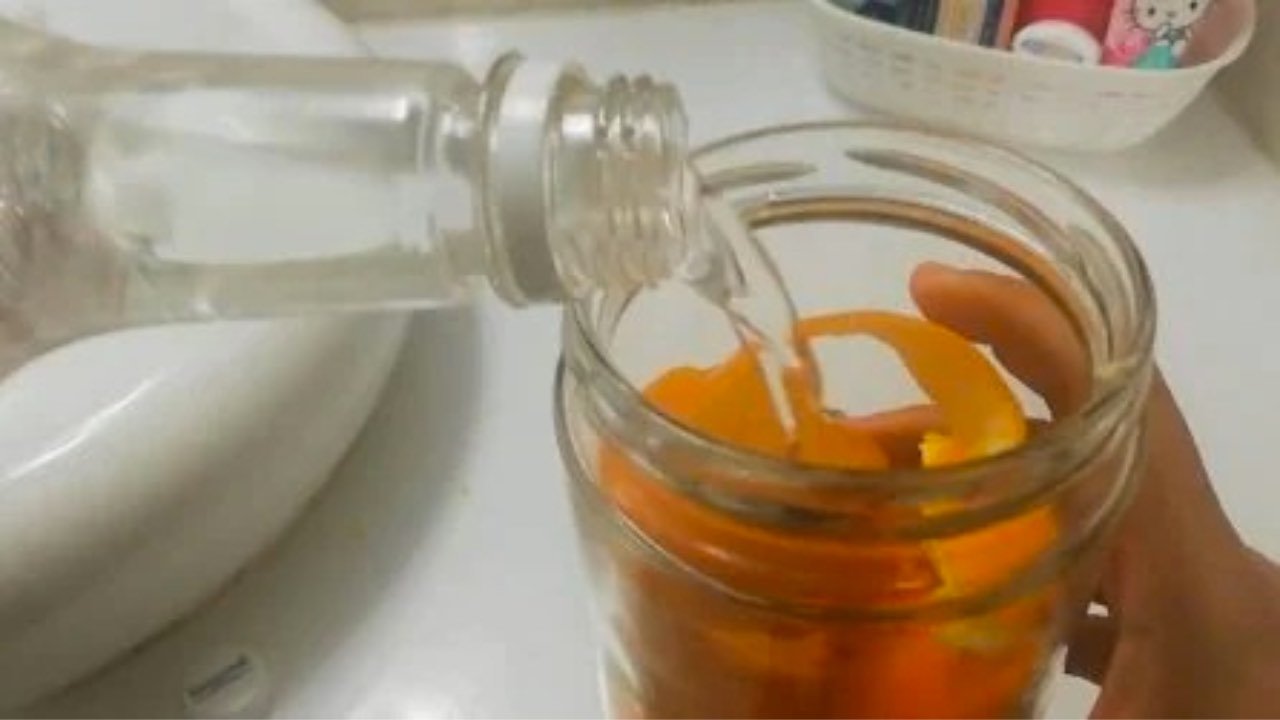
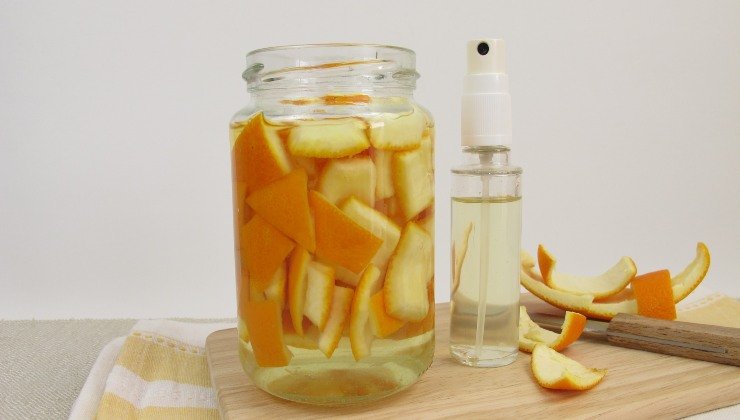
This unconventional method involves repurposing orange peels in tandem with vinegar to create a natural and effective cleaning solution. The process begins by collecting a jar and placing broken orange peels inside. Subsequently, enough vinegar is poured into the jar to ensure the peels are completely immersed in the liquid. Once sealed tightly, the jar is left undisturbed for approximately 15 days, allowing the orange peels to macerate and release essential citrus oils into the vinegar.

After this maceration period, the solution is filtered to remove the orange peel remnants, and the resulting liquid is transferred into a spray bottle. This citrus-infused vinegar solution becomes a potent natural detergent, boasting degreasing and disinfectant properties. When applied to various surfaces, including steel, the solution effectively tackles stubborn dirt while imparting a delightful citrus fragrance to the surroundings.
This versatile method extends beyond oranges and can be applied to other citrus fruits such as lemons or mandarins, owing to their similar characteristics. The ease and efficacy of this DIY cleaning solution not only contribute to the cleanliness of surfaces but also offer a cost-effective alternative to commercial cleaning products.
Embracing this sustainable and natural approach allows us to repurpose orange peels, transforming them from kitchen waste into a valuable household asset.
The next time you enjoy an orange, consider venturing into this inventive solution—a small step toward sustainable living and a pleasantly fragrant home.